Voluntary VAT registration usually pays off if most of your customers are VAT-registered businesses and you buy a lot of standard-rated supplies. It usually costs you if you sell mainly to the public, because you either add VAT to your prices or absorb it from your margin.
Voluntary VAT registration pros and cons come down to who your customers are. If you sell mainly to VAT-registered businesses, registering lets you reclaim VAT on your costs while your customers reclaim the VAT you charge them. If you sell mainly to the public, registering usually means higher prices or a smaller margin.
This guide shows both cases with real sums, so you can see which side your business falls on before you apply.
What voluntary VAT registration means
You must register for VAT if your VAT taxable turnover for the last 12 months went over £90,000, or you expect it to go over £90,000 in the next 30 days. You can choose to register if your turnover is below £90,000. That choice is voluntary registration.
Once registered, the rules are the same as for any VAT-registered business. You charge VAT on your sales, show your 9-digit VAT number on every invoice, file VAT returns using Making Tax Digital software, and pay HMRC any VAT you owe from your effective date of registration.
The pros of registering voluntarily
- You reclaim VAT on your costs. From your effective date of registration you can reclaim VAT on business purchases, such as equipment, materials and software.
- Business customers are not out of pocket. VAT-registered customers reclaim the VAT you charge, so adding it does not make you more expensive to them.
- Some earlier purchases may qualify. You may be able to reclaim VAT on certain goods and services bought before you registered, within HMRC's time limits.
- No threshold watching. You do not have to track the rolling 12-month turnover test every month or risk registering late.
The cons of registering voluntarily
- Prices rise for the public. Most goods and services carry VAT at the standard rate of 20%, which customers who are not VAT-registered cannot reclaim.
- More admin. You keep VAT records, issue VAT invoices and file returns through Making Tax Digital software.
- Deadlines and penalties. Late returns and late payments can lead to penalties and interest.
- Cash flow. VAT you collect belongs to HMRC, so you need to set it aside until the return is due.
Worked example: business customers vs the public
Take a business with £40,000 of sales a year and £10,000 of costs that carry £2,000 of VAT. Here is how its profit changes, before tax, depending on who it sells to.
| Scenario | Sales kept | Costs | Profit |
|---|---|---|---|
| Not registered | £40,000 | £12,000 (VAT cannot be reclaimed) | £28,000 |
| Registered, selling to VAT-registered businesses (adds 20% on top) | £40,000 (customer pays £48,000 and reclaims £8,000) | £10,000 (£2,000 VAT reclaimed) | £30,000 |
| Registered, selling to the public at the same prices | £33,333 (£6,667 of each £40,000 is VAT) | £10,000 (£2,000 VAT reclaimed) | £23,333 |
Selling to businesses, registering improves profit by £2,000 in this example. Selling to the public at unchanged prices, it cuts profit by £4,667. Raising prices by 20% would protect the margin, but only if customers accept the increase.
Schemes that change the maths
HMRC offers simplified schemes, such as the Flat Rate Scheme and the Cash Accounting Scheme, each with its own eligibility rules. They can reduce admin or help cash flow, but they change how much VAT you pay and reclaim. Run your figures through the scheme you are considering before you choose it.
Quick decision checklist
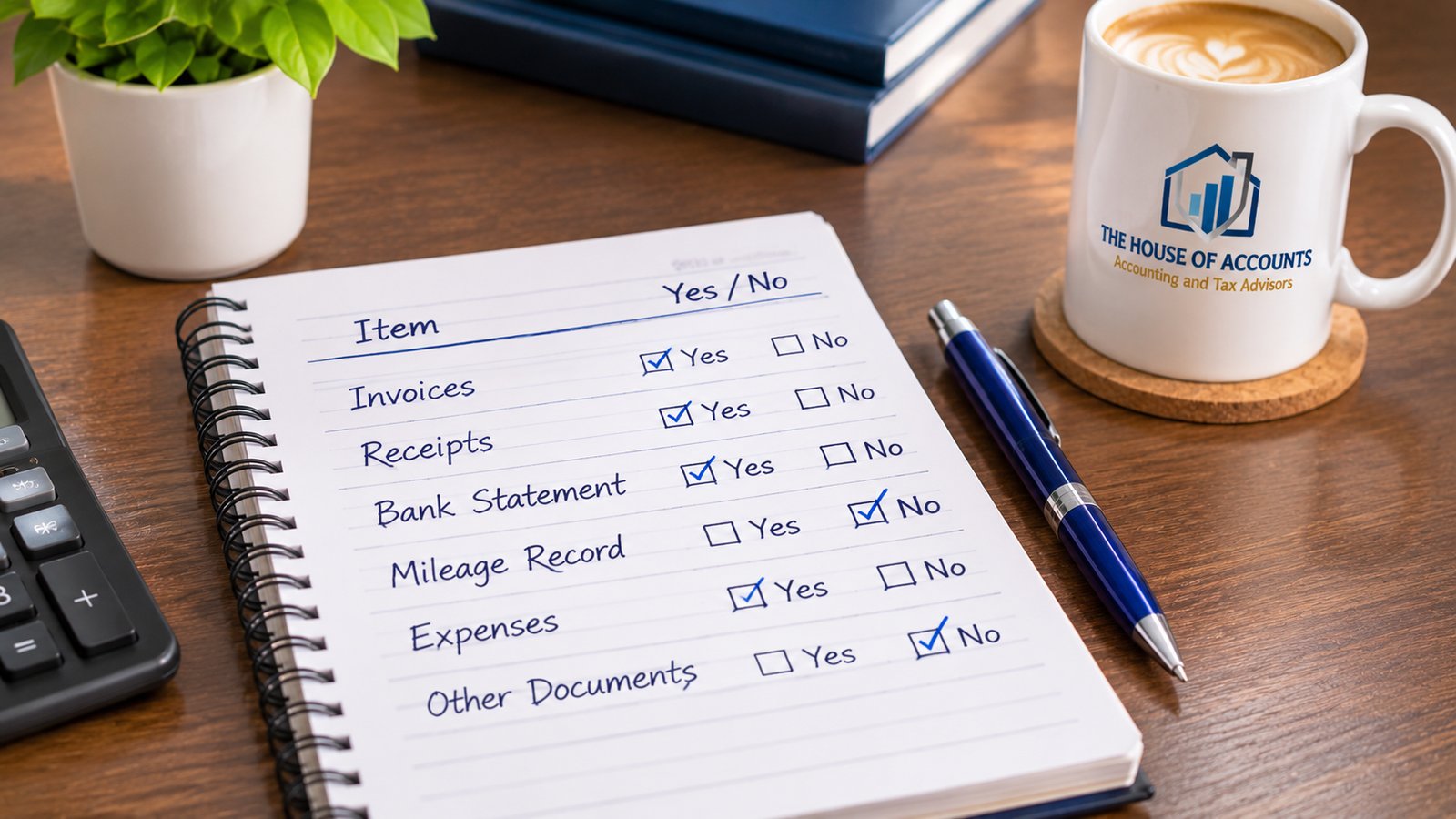
Registering early often makes sense if you can answer yes to most of these:
- Most of your customers are VAT-registered businesses.
- You buy a lot of standard-rated goods or services. For example equipment, stock or subcontracted work.
- You expect to cross £90,000 within a year or two anyway.
- You can keep digital records and file on time.
It usually does not make sense if you sell mainly to the public, your costs carry little VAT, or your prices are already tight. Our advice from a VAT accountant page explains how we work through this with you.
How we help you decide
At House Of Accounts (HOA) we look at your customer mix, your main costs and your growth plans, then model the difference registering would make. If it helps, our VAT support for small businesses covers the registration, your returns and Making Tax Digital set-up. If registering would cost you money, we will say so.
Frequently asked questions
Can I deregister if voluntary VAT registration does not suit me?
You can ask HMRC to cancel a voluntary registration if your taxable turnover is below the threshold. Check HMRC's cancellation rules before you apply, as they set out what you must account for on the way out. An accountant can work out whether cancelling saves you money overall.
Can I reclaim VAT on purchases made before I registered?
You may be able to reclaim VAT on some goods and services bought before your effective date of registration, within HMRC's time limits and with valid VAT invoices. The rules differ for goods and services, so check them before you include anything on your first return.
Do I have to use Making Tax Digital if I register voluntarily?
Yes. A voluntary registration carries the same obligations as a compulsory one, so you keep digital VAT records and file your returns through software that works with Making Tax Digital. Many bookkeeping packages do this, and your accountant can file for you.
Is voluntary VAT registration worth it for a sole trader?
It can be. The legal structure matters less than who you sell to. A sole trader working mainly for VAT-registered businesses, with significant VAT on costs, often gains. One selling mainly to the public usually loses margin, unless prices can rise by the 20% VAT.
Not sure whether to register?
Send us your turnover, your main customer types and your biggest costs, and we will show you what registering would change. Simply get in touch to start.
This article was researched and drafted with AI assistance, then fact-checked against GOV.UK and HMRC guidance and edited by the House Of Accounts team.